
Light and the body clock
Why light matters beyond seeing
Light lets us see, but it also tells the body what time it is. Here is what that means, what modern life has changed, and what we do and do not yet know.
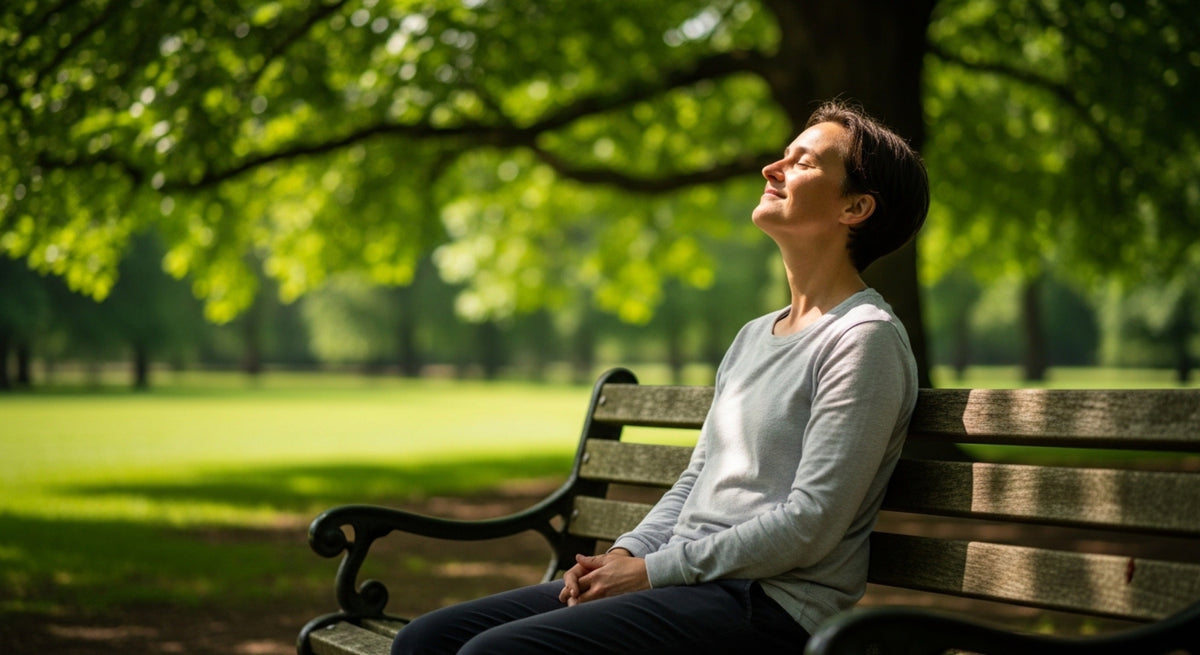
Most of us think of light as the thing that lets us see. That is its most obvious job, but it is not its only one. Over the past few decades, scientists have built up a clearer picture of how light also acts as a signal to the body, telling it what time of day it is.
Inside each of us is a body clock. It runs on a cycle of roughly 24 hours and helps to organise when we tend to feel alert, when we tend to feel tired, and how many processes in the body rise and fall across the day and night. This daily pattern is known as a circadian rhythm.
The body clock does not keep perfect time on its own. Left without cues, it tends to drift a little each day. Light is the strongest of the cues that keep it in step with the world outside. Research suggests that the timing and amount of light we receive each day both play a part in how well that alignment holds.
A modern mismatch
For most of human history, the pattern was simple. Bright daylight came in the morning and through the day, and darkness came at night. Modern life has changed that. Many people now spend most of their waking hours indoors, where light levels are often far lower than outside, and then spend their evenings under artificial light and screens. Researchers are still working to understand what this shift means for people over the long term.
Light needs may also vary from person to person. Age, daily routine, the buildings we live and work in, and how much time we spend outdoors can all change how much light reaches us and when. Published work suggests, for example, that the eye lets less light through as it ages. That may mean an older person receives less of the signal than a younger person sitting in the same room.
What we do and do not know
None of this means light is a simple answer to anything. The science is still developing, and much of it is complex. What it does show is that light is not only about seeing. It is part of how the body keeps time, and the light around us each day deserves more attention than it usually gets.
If you would like the fuller picture, our guide Circadian lighting explained covers how light sets the body clock, how it is measured and what good lighting design takes into account.
That is the question at the centre of Sensio BioLabs. We want to understand how the light people actually receive through the day relates to how they feel and function, and to study it carefully, with evidence, and in collaboration with researchers. We will share what we learn here, in plain English, as the work progresses.
Start here
Circadian lighting explainedThis article is for general information. It is not medical advice. If you have concerns about your sleep or health, speak to your GP.