
Our story
From a research placement to a research company
Sensio BioLabs began as a question and a 12-month PhD research placement with the University of Leeds. Here is what we learned, and why it led to a research company.
Sensio BioLabs did not begin as a company. It began as a question, and a research placement set up to explore it.
In 2024, Sensio worked with the University of Leeds Department of Biomedical Engineering on a 12-month PhD research placement. Sensio is best known for lighting in kitchens, bathrooms and bedrooms. The placement gave us the chance to step back from products and look at light through a scientific lens: what the published research says about light and people, how light is measured, and where the open questions are.
What the placement taught us
A few things stood out. The light a person actually receives through the day can be quite different from the light a room is designed to provide. Measuring it properly is harder than it sounds. And the questions researchers are asking about light and people need careful, long-term work. An industry partner can only contribute to that work if it is willing to hold itself to the same standards.
We also learned how much we did not know. That was perhaps the most useful lesson of all, because it made clear that this work needed its own home, its own people and its own way of working.
Why we founded Sensio BioLabs
Those lessons shaped what came next. In 2026, we founded Sensio BioLabs as the science arm of Sensio Group. Its job is different from the rest of the group. Rather than starting with a product, it starts with the evidence: how light affects people, from sleep and alertness to recovery and wellbeing.
We are developing specialist, patent-pending technology, grounded in science, that measures the light each person receives, delivers what is missing and learns which light works, for whom.
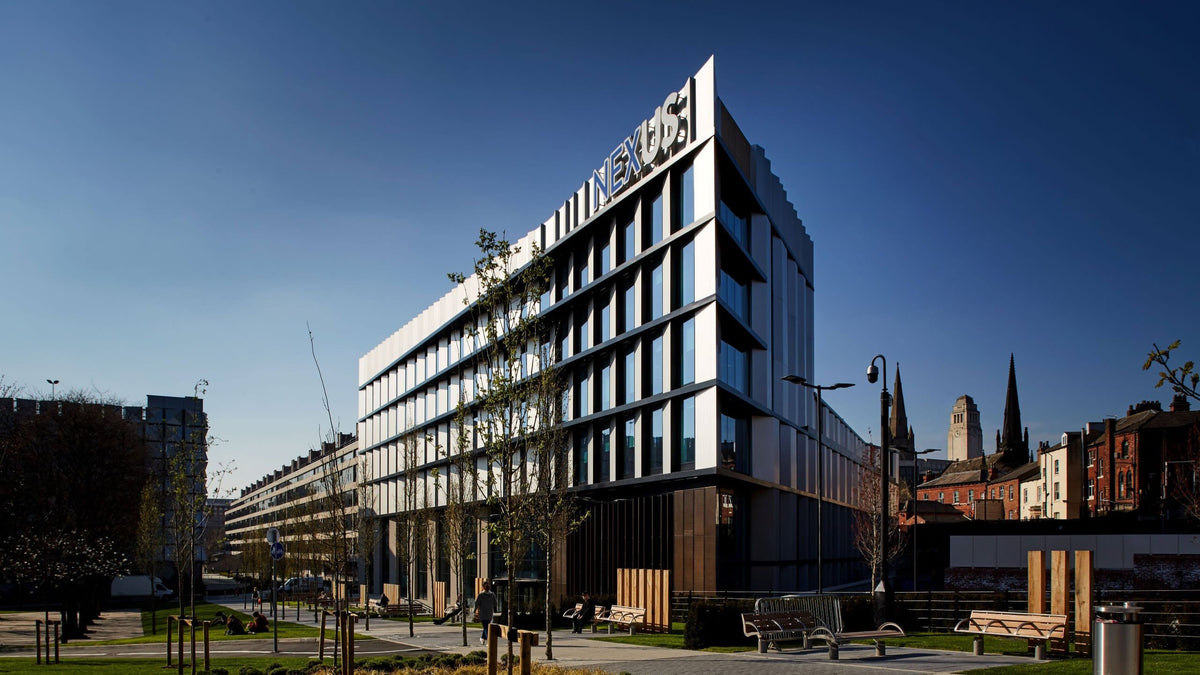
Moving to Nexus, University of Leeds
In January 2027, Sensio BioLabs moves into Nexus, the innovation hub of the University of Leeds. Being close to the university matters to us. Good science depends on good questions, honest measurement and people willing to challenge the answers. We are fortunate to have Dr Martin Moore-Ede as our Chief Health Advisor, alongside a team that brings together long experience in lighting, engineering and research.
Insights is where we will share the work as it develops: the questions we are asking, what the wider research says, and what we are learning along the way. We will keep it plain, careful and honest about what is known and what is not. A good place to start is our guide Circadian lighting explained.
Start here
Circadian lighting explainedThis article is for general information. It is not medical advice. If you have concerns about your sleep or health, speak to your GP.